
In partnership with
In partnership with
In partnership with
Three lenses on disaster
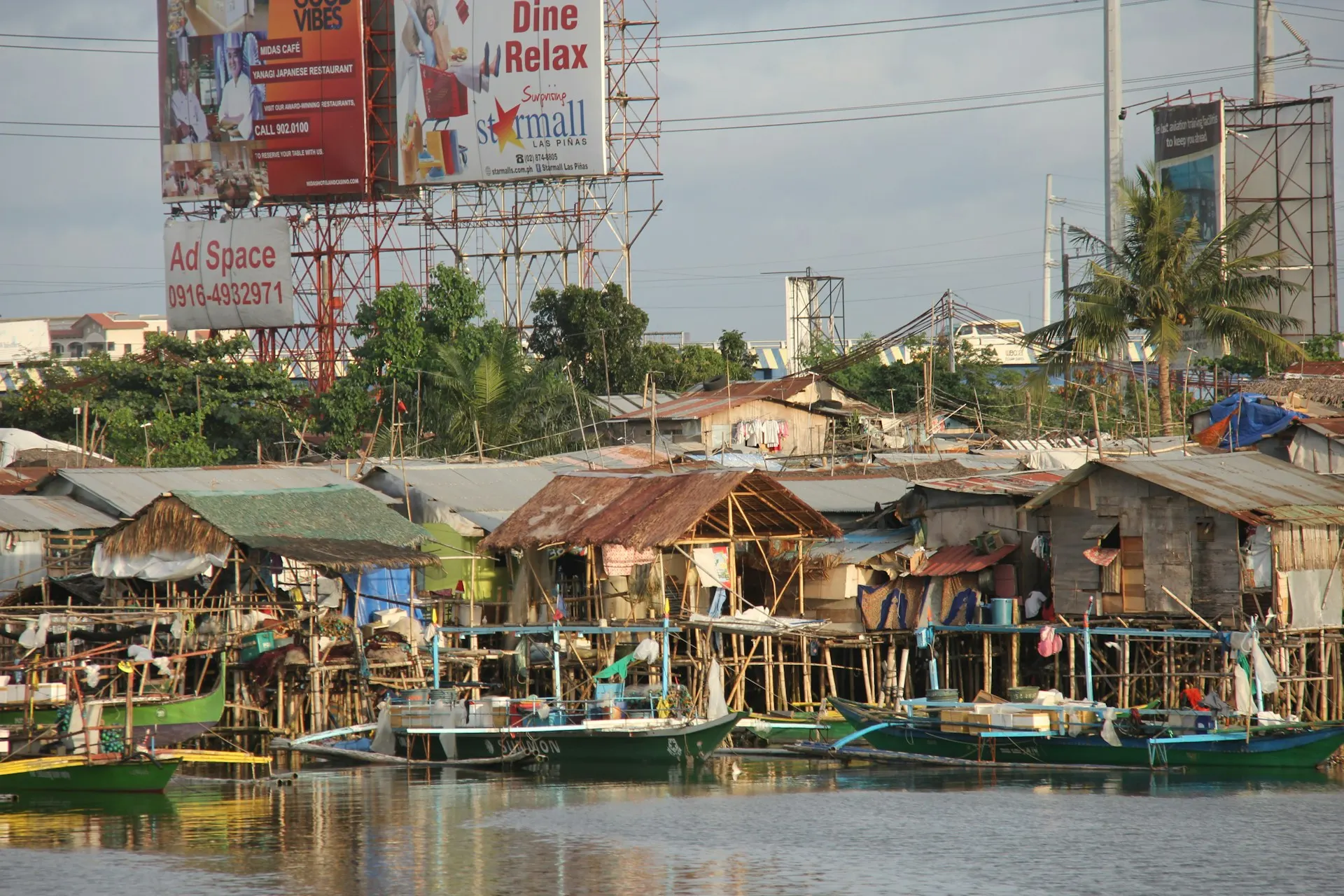
Our filmmaking program is structured around how communities actually experience risk - not only catastrophic events, but the medium and small-scale disasters that shape everyday coastal life.
Large-scale
3 filmsMajor events like typhoons that reshape entire neighbourhoods - examining mutual aid, resource sharing, and how communities rebuild when official systems are slow to arrive.
- Typhoon response
- Community resource centres
- Post-disaster solidarity
Medium-scale
2 filmsLocalised emergencies such as fires - where mothers, youth, and informal networks form the first line of response before outside help reaches the community.
- Neighbourhood brigades
- Youth first-responders
- Informal early warning
Small-scale
5 filmsThe everyday risks woven into coastal life - fetching water during floods, kinship obligations, dinner gatherings, and the quiet habits that become lifelines when disaster strikes.
- Kinship & care
- Everyday neighbours
- Domestic resilience
Cross-cutting Themes
What our programs look for
Across all three programs, we return to the same questions - who helps whom, through what channels, and with what resources already at hand.
Kinship & Care
In difficult conditions, care becomes a responsibility shared across the whole community - not confined to immediate family.
Youth Leadership
Young people who grow up navigating disaster gain insight and urgency that official preparedness programmes often overlook.
Informal Networks
Gossip, social media, dinner gatherings, and neighbourly routines - channels of information and support that formal systems rarely account for.
Peer Mentorship
Trusted figures - manong, mothers, college students - who pass on practical knowledge about survival, independence, and navigating systems.
Our Approach
Co-create
Develop documentaries shaped by community voices and experiences
Share
Bring findings to universities, conferences, and public audiences
Explore the communities and stories behind this work.